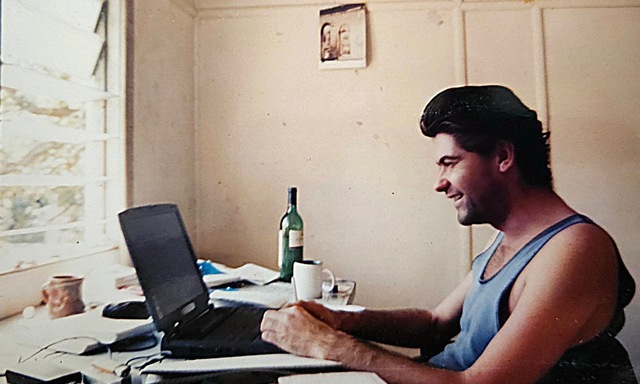
A fearless seeker of the truth, the underdog’s underdog and a legendary Australian journalist.
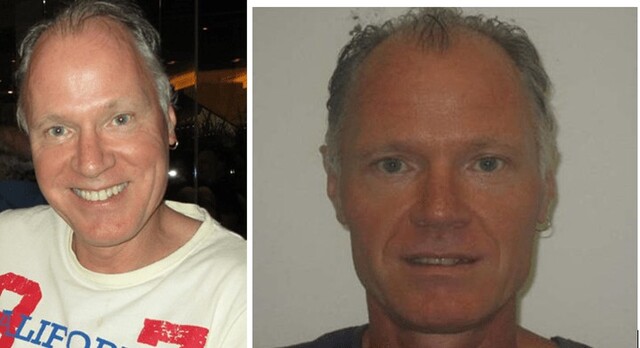
These are among the tributes paid to the late John Martinkus whose funeral was held in Williamstown on Monday after his sudden death on September 14, aged 56.
While the last years of his life were spent in the inner west, it was in East Timor where Martinkus made his name as a journalist and where he’s regarded as a hero; last year being awarded the Order of Timor for his reporting on its bloody struggle for independence.
According to friend and East Timor activist, Jude Conway, it was one of that struggle’s bloodiest moments, the 1991 Dilli massacre, that inspired the son of Lithuanian immigrants to ditch his studies at La Trobe University and take up journalism instead.
“In March 1992 he travelled to Darwin and tried to join the Missão Paz em Timor on the Lusitanio Expresso but his media accreditation with a Melbourne community radio station was not deemed sufficient,” Conway recalled.
After eventually making his way into the country, an article published in the Green Left Weekly began years of freelance reporting for outlets such as Fairfax, the ABC and SBS.
As violence escalated ahead of the 1999 independence referendum, Martinkus reported that it was militias created by Indonesia that were doing most of the killing.
“He was the only journalist to expose this at great length,” said close friend and spokesperson for the Australia East Timor Association, Jefferson Lee.
Martinkus later wrote an acclaimed book on the conflict, A Dirty Little War.
While covering the Iraq War in 2004, Martinkus was kidnapped at gunpoint and held for 24 hours.
Upon release, his comments about the motives of his captors upset the Howard Government, but Lee said bucking authority was part of what made him a great journalist.
“He was badly maligned by the Prime Minister (John Howard) and misrepresented for not being embedded and following orders, whereas he always was seeking the truth wherever he went.“
Martinkus later covered conflicts in West Papua and Afghanistan, taught journalism at the University of Tasmania and was nominated for four Walkley Awards.
He is survived by daughters Lilya, Cara and Signe.