Asthma Australia says air pollution from bushfires across Victoria dramatically increases the risk of asthma attacks. Bushfire smoke contains fine particles and other pollutants that can penetrate deep into the lungs, triggering symptoms such as shortness of breath, chest tightness, coughing, and wheezing, and potentially leading to increased hospital admissions.
People over 65 or 14 and under, those with pre-existing heart or lung conditions including asthma and pregnant people are most susceptible to bushfire smoke.
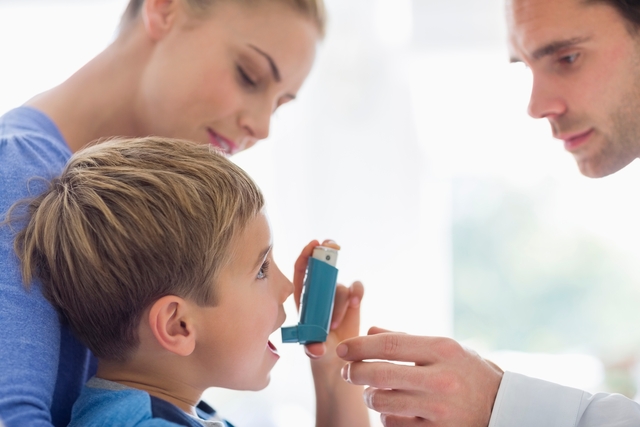
During periods of poor air quality, Asthma Australia advises people with asthma continue taking their prescribed preventer medication every day, even if they feel well, as preventers help reduce airway inflammation and lower the risk of flare-ups. People should also keep their reliever or anti-inflammatory inhaler close at hand, stay indoors where possible and follow their up-to-date Asthma Action Plan, which outlines how to manage symptoms and what to do if they worsen.
It is important to monitor symptoms closely and follow Asthma First Aid if they escalate. If symptoms do not improve or continue to get worse, seek medical care promptly. In an emergency, call Triple Zero (000).
Asthma Australia CEO Kate Miranda said, “Bushfire smoke can have serious health impacts for anyone with asthma, even at low levels. Fine particles inflame the airways and make it difficult to breathe. People with asthma should minimise smoke exposure, follow their Asthma Action Plan, take their reliever or anti-inflammatory inhaler as prescribed, and watch their symptoms closely.
“If symptoms do not improve or worsen, seek medical care immediately. In an emergency, call Triple Zero (000).”
Ms Miranda added, “Avoid going outdoors when air quality is poor, particularly for exercise, as physical activity increases how much smoke you breathe into your lungs. Stay inside with doors and windows closed, use an air purifier with a HEPA filter if you have one. If smoke cannot be avoided, a properly fitted P2 or N95 face mask may help reduce exposure.”
You can monitor real-time air quality and smoke levels in your area using trusted sources such as government sites as well as the AirRater app, which provides up-to-date information for your location and can alert you when air quality deteriorates, helping you make safer decisions about going outdoors.
For support and information, contact Asthma Australia on 1800 ASTHMA (1800 278 462) or visit asthma.org.au.