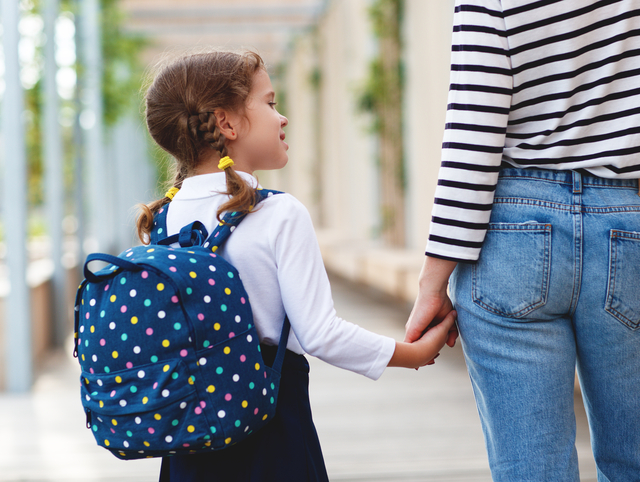
Starting school is a major milestone — not just for children, but for parents too. As classrooms across the country welcome new students, experts say the first few months of school are a crucial adjustment period, and parental support can make all the difference.
Education specialists agree that preparation begins well before the first bell rings. Establishing simple routines at home — such as regular bedtimes, consistent wake-up times and shared meals — helps children adjust to the structure of a school day.
“Predictability builds confidence,” early childhood educators say, noting that children who know what to expect tend to settle more quickly into classroom life.
In the early weeks, emotional readiness is just as important as academic skills. Parents are encouraged to talk positively about school, listen carefully to their child’s worries and acknowledge that feeling nervous is normal. Simple conversations about what the school day might look like — lining up, meeting a teacher, making new friends — can reduce anxiety and help children feel prepared.
Teachers also stress the importance of fostering independence. Allowing children to practise everyday tasks such as packing their bag, opening lunch containers or putting on their shoes can boost confidence and reduce stress during the school day. While it may take longer at home, educators say the payoff at school is significant.
Reading together remains one of the most effective ways parents can support learning in the first months. Shared reading builds language skills, concentration and a love of learning, without pressure. Educators recommend keeping it enjoyable rather than focusing on performance, especially during the transition period. Counting games, drawing and storytelling can also reinforce classroom learning in a relaxed way.
Communication between parents and schools is another key factor. Many schools encourage parents to share information about their child’s interests, routines or any concerns early on. Attending information sessions, reading newsletters and checking communication apps can help parents stay connected and respond quickly if issues arise. Experts advise addressing small concerns early before they grow into bigger challenges.
Sleep and nutrition play a powerful role in adjustment. Starting school can be tiring, and children may come home exhausted or emotionally drained. Ensuring children get enough sleep and have nutritious lunches and snacks can improve focus, mood and resilience. Some families also plan quieter afternoons in the first term to allow children time to decompress.
Perhaps most importantly, parents are reminded to be patient. Regression — such as clinginess, tears at drop-off or increased fatigue — is common in the first months and usually temporary. Education experts say these behaviours are often signs that children are processing change, not that something is wrong.
By offering reassurance, maintaining routines and working closely with teachers, parents can help their children navigate the early months of school with confidence. As educators note, a calm, supportive home environment lays the foundation not just for a successful first term, but for a positive attitude to learning that can last a lifetime.