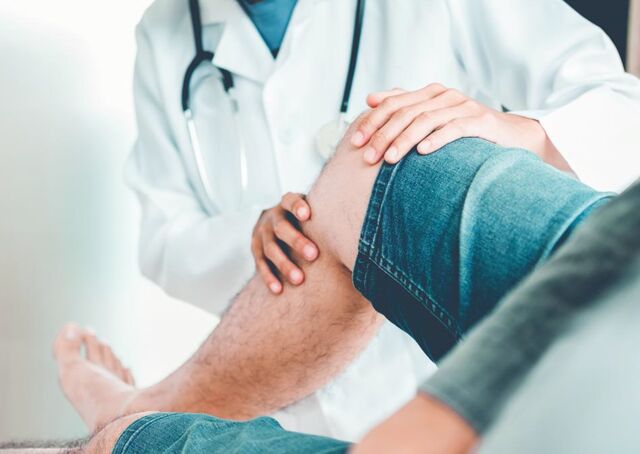
Treating foot, knee, and leg pain is often complex and multifaceted. That’s why it’s essential to consult with a musculoskeletal specialist who can perform a thorough lower limb assessment and develop a treatment plan tailored to your specific needs.
Dr Paul Dowie, musculoskeletal podiatrist and lower limb pain and injury expert at Foot and Leg Pain Clinics, shares valuable insights into the key factors involved in effectively managing these conditions:
1. Identifying the Root Cause
Pain in the foot or leg can result from many sources — including injury, overuse, arthritis, nerve impingement, or vascular issues. Accurate diagnosis of both the primary cause and contributing factors is critical to achieving lasting relief.
2. Individual Variability
What works well for one person may be ineffective for another. That’s why personalising treatment based on the patient’s condition, lifestyle, and pain tolerance is essential.
3. Conservative vs Surgical Care
While some conditions may require surgical input, most cases benefit greatly from non-surgical, regenerative, and drug-free approaches. Strategies such as biomechanical correction, structured rest or activity management, targeted strengthening programs, and natural regenerative injection therapies (e.g., Prolotherapy or PRP) often provide excellent outcomes while helping avoid surgery.
4. Orthotics & Assistive Devices
Custom orthotics, braces, and other assistive devices can improve gait, reduce pressure, enhance mobility, and increase comfort to assist recovery.
5. Multidisciplinary Support
Complex cases may benefit from a team-based approach, involving collaboration between a range of health professionals to deliver comprehensive care.
6. Rehabilitation & Recovery
Rehabilitation is vital for restoring strength, function, and mobility. Tailored conditioning programs are often key to preventing recurrence and supporting long-term recovery.
7. Lifestyle Adjustments
Modifying daily habits — such as footwear choices, activity levels, or movement patterns — can significantly reduce strain on affected areas and support healing.
8. Patient Education
Empowering patients with knowledge about their condition, its causes, and available treatment options fosters better outcomes. Education around self-care and prevention strategies is also crucial for long-term health and mobility.
If you’re dealing with foot, knee, or leg pain, injury, or arthritis, expert help is available locally. Dr Paul Dowie consults at Foot and Leg Pain Clinics in Williamstown. Call 1300 328 300 to book an appointment.