MARIBYRNONG & HOBSONS BAY
Home » News » AI imaginary friends no substitute for human connection

AI imaginary friends no substitute for human connection

Loneliness and social isolation are now recognised as major public health threats, prompting governments to explore technological solutions.

Research from Monash University argues new AI ‘digital companions’ marketed as a solution for loneliness are profoundly unethical, and could even increase social isolation.

The research, ‘Against Imaginary Friends: why digital companions are no solution to social isolation,’ argues that AI chatbots and avatars being promoted as substitutes for social contact, particularly among older people, only offer an illusion of social connection and risk deepening social isolation.

Lead researcher Professor Robert Sparrow from the Monash Arts Faculty’s Department of Philosophy, said the push to deploy digital companions ignores the fundamental need for human connection.

“Encouraging people to have imaginary friends is no solution to social isolation. A digital companion might make someone feel less lonely for a moment, but it doesn’t change the fact that they’re still alone,” Professor Sparrow said.

The research highlights the ethical problem of “designing to deceive,” noting that companies routinely market digital companions as caring, attentive and emotionally invested, despite being incapable of genuine feeling.

The authors also argue that the project of designing social robots for eldercare settings is inherently disrespectful to older people.

“AI companions are being touted as a solution to the problem of eldercare workers, yet every interaction that older people have with a robot is one less opportunity for them to interact with a human.

“These digital companions are marketed as the answer to an ageing population, despite the fact they would not be considered desirable if directed toward younger people,” Professor Sparrow said.

Beyond emotional risks, the authors emphasise that digital companions cannot provide users with physical companionship more generally and warn that widespread adoption could reduce opportunities for physical touch and mutual aid.

“There’s a real danger that digital companions will become a cheap substitute for genuine human connection and care.

“Providing people with AI imaginary friends in place of genuine policy reform lets governments off the hook and risks making the problem worse,” Professor Sparrow said.

The authors also raise concerns about user privacy given the intimate nature of the data provided and call for clearer regulation to ensure digital companions don’t become a convenient substitute for genuine reform aimed at addressing loneliness and social isolation.

The research can be found at: https://cacm.acm.org/research/against-imaginary-friends-why-digital-companions-are-no-solution-to-social-isolation/


Digital Editions


  • Sporting club grants up for grabs

    Sporting club grants up for grabs

    Local sporting clubs across Victoria are encouraged to apply for a fresh round of funding grants launched by the state government. On Wednesday, Community Sport…

More News

  • Full steam ahead to open day

    Full steam ahead to open day

    A small army of volunteers is busily preparing for the Newport Workshops Open Days on the Labour Day long weekend. The biennial event takes place from 7-9 March showcasing the…

  • Blackshaws truck ban could spread

    Blackshaws truck ban could spread

    Trucks could soon be banned from even more inner west streets just months after bans and nighttime curfews were implemented on a number of major thoroughfares following the opening of…

  • Work still to be done on IWD

    Work still to be done on IWD

    International Women’s Day (IWD) has a long and powerful history in Australia, reflecting more than a century of activism, reform and progress toward gender equality. The origins of International Women’s…

  • Dear Agnes returns

    Dear Agnes returns

    A contemporary public art program returns in March, paying tribute to the Altona Meadows land artwork created in 1998 by New York-based environmental artist Agnes Denes. Dear Agnes features new…

  • Falcons to go again

    Falcons to go again

    Purchase this photo from Pic Store: 495489 City West Falcons’ championship side is back for the Victorian Netball League season, but fans should expect a glimpse of the future. The…

  • EPA conducts odour blitz

    EPA conducts odour blitz

    The Environment Protection Authority (EPA) said it has conducted more than 36 inspections and issued eight compliance notices in relation to recent reports of odour in Melbourne’s inner west. The…

  • Bulldogs lose thriller

    Bulldogs lose thriller

    Purchase this photo from Pic Store: 449514 It was heartbreak for Yarraville-Footscray as it fell just short of claiming a second straight Bowls Victoria weekend premier division premiership on Sunday…

  • Aunty Marge honoured with mural

    Aunty Marge honoured with mural

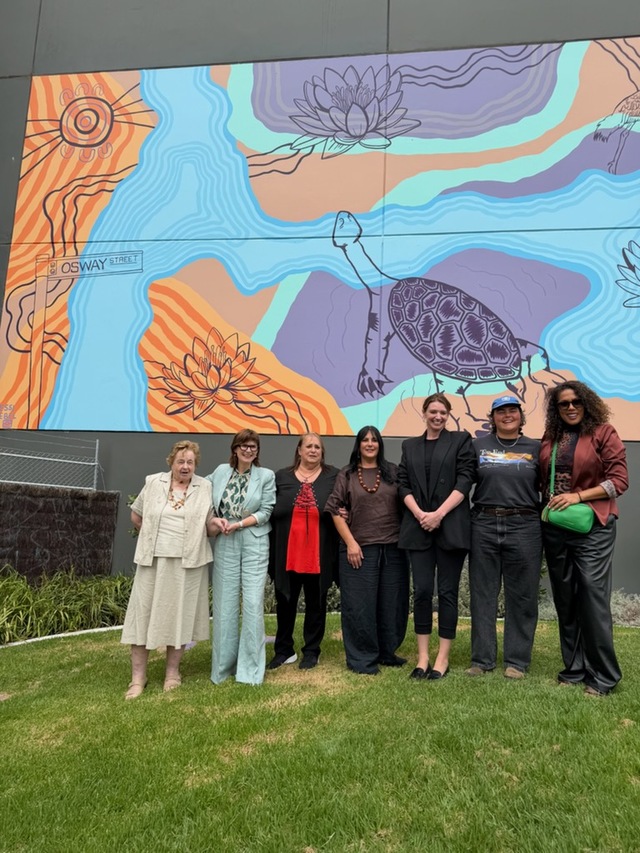
    A mural dedicated to Stolen Generations survivor advocate for First Nations rights, health and women’s wellbeing, Aunty Margaret Tucker , was unveiled in Footscray on Tuesday. Health Minister Mary-Anne Thomas…

  • Community Calendar

    Community Calendar

    Book sales Friends of Altona Libraries (FOAL) hold monthly book sales at the rear of Altona Library during the first week of each month. Books no longer required by the…

  • Footscray folk farewell

    Footscray folk farewell

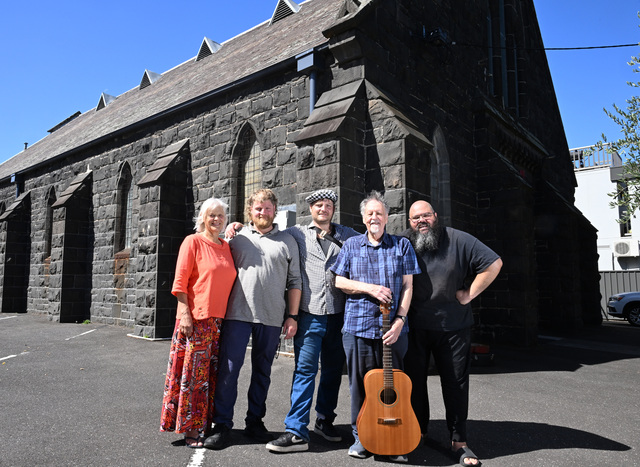
    Luminaries of Melbourne’s folk music scene will be farewelled at ‘Footscray Folk: A Singout!’ on Saturday 7 March. The concert at Bluestone Hall at Borderlands Cooperative will celebrate Footscray based…