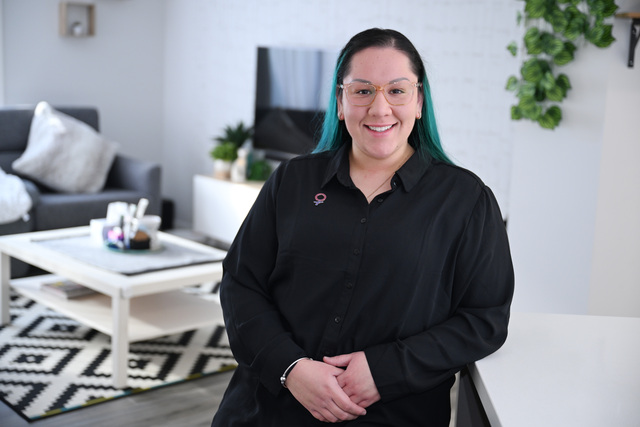
Western suburbs local, Michelle, is still living with the long-term effects of surviving ovarian cancer despite being more than a decade in remission.
“People often assume once the tumour is gone, the cancer’s over but for me that was just the beginning,” she said.
For Michelle, developing ovarian cancer at 24 years old brought up issues surrounding fertility, body image, interrupted life plans and long-term care.
“I had to rebuild physically, emotionally, mentally. I didn’t know if I’d ever be able to have children. I didn’t feel in control of my body anymore,” she said.
Within one week Michelle went from seeing a gynaecologist to being referred to an oncologist to being operated on.
Surgeons found and removed a large mass the size of a watermelon.
While Michelle was “lucky with timing and surgery” she said the systems to support young women diagnosed with gynaecological cancers are not up to scratch.
“Right now women are dying because they don’t have access to the facilities or knowledge,” she said.
“We need better awareness, earlier detection, and systems that don’t let symptoms slip through the cracks.”
Every day 19 women are diagnosed with gynaecological cancer, with cases expected to surge by 21 per cent over the next 10 years, according to the The Australian New Zealand Gynaecological Oncology Group (ANZGOG).
ANZGOG is calling for urgent action to save the lives of Australian women, seeking a $100 million commitment from the federal government to bring the strategy to life through the Gynaecological Cancer Transformation Initiative.
“Research into gynaecological cancers has been underfunded for decades and it’s costing lives,” Michelle said.
“Women like me have had enough.”
For women experiencing symptoms related to gynaecological cancers, Michelle offers this advice: “Be your best advocate. Don’t allow practitioners to dismiss your concerns and don’t feel like it’s the mentality of ‘just nothing”.