It’s a disease which sufferers like Neal Daniher have helped raise awareness of and fundraisers like the Big Freeze and the Ice Bucket Challenge have generated millions of dollars for research into.
Yet, Motor Neurone Disease or MND remains without a cure and eventually kills all who are diagnosed with it.
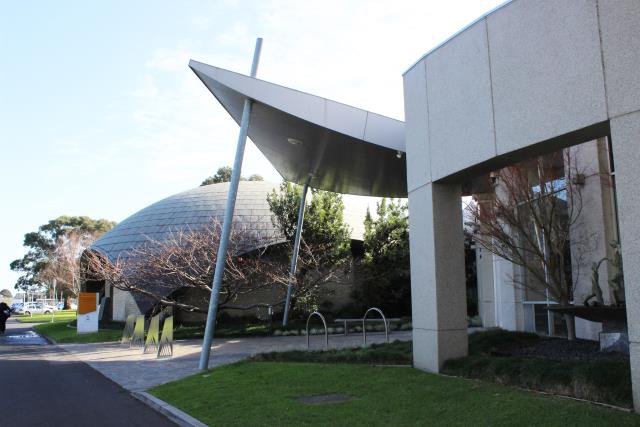
While a study being conducted by a team of researchers at Victoria Unviersity’s Footscray Park campus mightn’t change that, it could help in better diagnosing the MND and understanding how this cruel disease comes about.
To do this, researchers are seeking participants from three different populations: people with motor neuron disease (MND), people with sarcopenia, a progressive muscle wastage disorder that shares similar characteristics and healthy individuals who have neither.
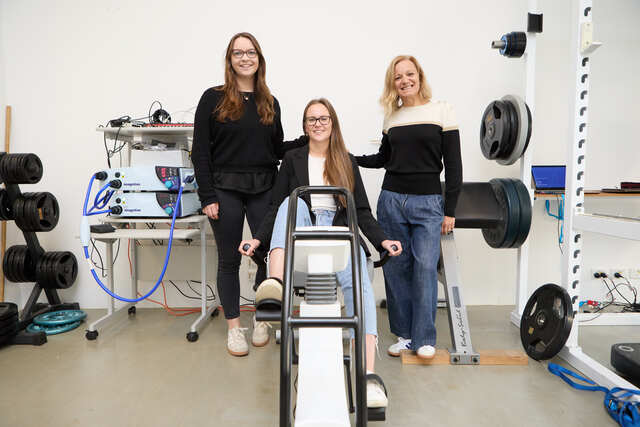
“I’m trying to see if we can find differences not only between people with MND and healthy people, but also people with sarcopenia, so we can find specific motor neurone characteristics and the idea is that in the future that could help for diagnoses and disease progression tracking,” explained PhD candidate, at VU’s Institute for Health and Sport, Patricia Bayer, who is part of the three person team conducting the study, which requires ten participants from each group.
With only nine people signed up in total (six with MND and three healthy), Ms Bayer is calling on local residents, particularly those with MND or sarcopenia, to sign up for the study which involves participating in five testing sessions over 16 weeks.
“We are using a novel, noninvasive technique called high-denisty surface electromyography to record the electrical activity that the motor neurons send to the muscles,” said Ms Bayer of the technique where electrodes are placed upon participants leg and hand muscles while they carry out strength tests.
“This allows us to assess how healthy the neurons are and how they adapt over time.”
Those who take part will receive a $30 gift voucher after each two hour session, with places available for participants to start now.
Researchers are hoping to complete their data collection in the coming months and publish final results in one to two years.
Details: patricia.bayer@live.vu.edu.au