MARIBYRNONG & HOBSONS BAY
Home » News » Opinion: Don’t shoot the messenger

Opinion: Don’t shoot the messenger

In the final days of the federal election campaign, Peter Dutton’s decision to lash out at the media was not just desperate, it was dangerous. Labelling the ABC and Guardian Australia as “hate media” and accusing journalists of being “activists” rather than reporters echoed the tired, toxic playbook of Donald Trump: when you’re behind, don’t reflect, just shout “fake news”.

Australians saw through that. No amount of spin, deflection or blame shifting could hide the truth. Voters rejected the Coalition’s message. Shooting the messenger doesn’t change the message.

Media scrutiny is not the enemy of democracy; it’s the oxygen that keeps it alive. A free press questions power, challenges spin and asks uncomfortable questions. That’s not bias, that’s journalism.

Sure, when journalists get something wrong, call it out. Point to it. Demand a correction. Any credible newsroom will make one. But blanket accusations, unsubstantiated claims and outright falsehoods aimed at delegitimising the media are not just cheap politics, they actively erode trust in institutions that underpin democracy.

We see this tactic far too often, not just at a federal level but in local councils, including one our newsroom currently covers. Rather than engaging with the facts or addressing legitimate public concerns, some in power choose the easy path: Attack the media. But in doing so, they expose themselves, not the journalists.

That’s why strong local media matters now more than ever. Local newspapers and newsrooms remain one of the last truly independent and accountable sources of community information. They report on councils, expose local corruption, celebrate community success and give a voice to residents. Yet their very survival is under threat.

Digital platforms and social media have stripped local media of its commercial foundations, and worse, they have helped legitimise the kind of rhetoric Dutton and Trump rely on. By feeding audiences personalised echo chambers and monetising outrage, they have weakened the public’s trust in credible journalism, while doing little to support its production.

Those who benefit from journalism must also help sustain it, and that includes the massive digital tech companies who have profited enormously from republishing, aggregating and monetising news content without paying fair value.

Now, artificial intelligence platforms are doing the same, scraping content, harvesting the work of journalists and training their models on material they never paid for. It’s the same pattern we’ve seen for years with social media – extract the value, deny responsibility, and undermine the industry you depend on.

This cannot continue. Everyone who profits from journalism must help fund it. That includes readers, advertisers, governments – and yes, the tech giants and AI developers whose empires have been built in part on the work of others.

On Saturday, Australians made it clear they won’t be fooled by leaders who blame everyone but themselves. Let’s hope they also recognise the essential role of a strong, independent media and are willing to fight for its future.


Digital Editions


  • Fire sparks union tunnel concerns

    Fire sparks union tunnel concerns

    West Gate Tunnel operator Transurban has insisted it is safe to use, despite an incident last month which the firefighters union said was more evidence…

More News

  • Additional health test for newborns

    Additional health test for newborns

    Victoria has become the first Australian jurisdiction to include sickle cell disease in its newborn health screening program. This expansion brings the total number of rare but serious conditions covered…

  • Residents encouraged to mind water usage

    Residents encouraged to mind water usage

    Residents across Melbourne’s north west are being called upon to reduce their water consumption as state storage levels fall to 61% of capacity. This current level marks a decrease from…

  • Testing the limits of wearable tech

    Testing the limits of wearable tech

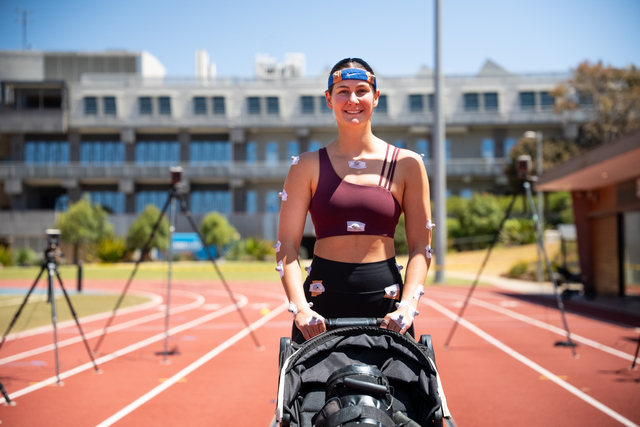
    Smartwatches and other wearable devices are ubiquitous in the world of sport and fitness. But how accurate are their measurements when other variables are in play? That’s exactly what Deakin…

  • Aussie kids salt risk

    Aussie kids salt risk

    Research from Deakin University has suggested most Australian children are at risk of developing high blood pressure at a younger age due to eating too much salt. In a new…

  • Renewable energy soars

    Renewable energy soars

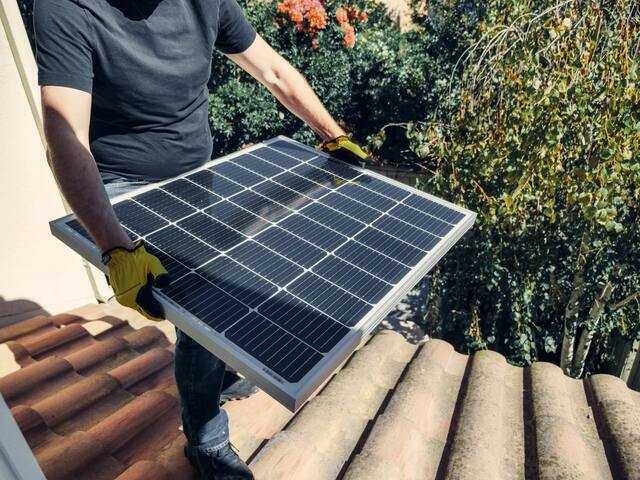
    Energy and Resources Minister Lily D’Ambrosio has announced that Victoria has exceeded its 2025 renewable energy target. Ms D’Ambrosio said renewables accounted for 44.6 per cent of the state’s electricity…

  • Altona’s $80 million man

    Altona’s $80 million man

    An Altona man has become Victoria’s biggest ever lottery winner by taking home the entire $80 million jackpot in Thursday’s Powerball draw. “Oh my god! Are you joking?!” the retiree…

  • Aery’s big moment

    Aery’s big moment

    At just 16, Druids’ Ira Aery is doing battle with some of the best cricketers in Australia. The teenager’s game has gone from strength to strength the past 12 months,…

  • Funding to improve road safety across Victoria

    Funding to improve road safety across Victoria

    Victorian community organisations and groups will receive a total of $600,000 in grants from the Transport Accident Commission (TAC) to develop and implement local road safety projects. The funding, part…

  • Celebrity alcohol ads slip into teens’ Insta feeds

    Celebrity alcohol ads slip into teens’ Insta feeds

    Celebrities are promoting their own alcohol products on Instagram without clear disclosure of advertising content and almost all posts are visible to underage users, according to new research from La…

  • New toolkit to help women report abuse in sport

    New toolkit to help women report abuse in sport

    Australian women face significant risk when disclosing gender-based violence in sport and often receive inadequate or harmful responses according to new research from La Trobe Univeristy. The research project, supported…