In 2025, a total of 288 people lost their lives on Victorian roads, marking an increase from the 284 deaths recorded in 2024. While this total remains below the 295 fatalities seen in 2023, the data shows that Melbourne’s northern and western suburbs remain high-risk corridors.
The local government areas of Whittlesea and Wyndham recorded the highest number of fatalities in the state with 12 lives lost in each municipality, while Brimbank recorded 7 deaths.
Non-fatal road trauma also remains high in these regions, with Hume recording 198 hospital admissions, followed by Brimbank with 130, Whittlesea with 121, and Wyndham with 104 hospitalizations.
Analysis of these fatalities identifies several specific technical factors contributing to the state’s road toll. Vulnerable road users, including pedestrians, motorcyclists, and e-scooter riders, accounted for over 40% of all fatalities, with pedestrian deaths reaching a 17-year high of 52.
Basic driving errors and acts of non-compliance, such as low-range speeding and mobile phone distraction, contributed to more than half of all fatal incidents.
Furthermore, at least 10% of vehicle occupants killed were not wearing a seatbelt, and there was a significant increase in multiple-fatality incidents and head-on collisions often attributed to lane-drifting from fatigue or distraction.
The Victorian Government is responding to these figures through the $1.1 billion Road Safety Action Plan 2, which aims to reduce road deaths by 50% by 2030. In the northern and western suburbs, this investment supports the Western Roads Upgrade maintenance program across 49 arterial routes, including Geelong Road, Ballarat Road, and Dohertys Road.
In Werribee, the Ison Road Project is currently constructing a new overpass and rail bridge to separate traffic from the train line, with completion scheduled for late 2026.
These efforts are supported by the $210 million Safe Local Roads and Streets Program, which allows councils to implement safety barriers and updated speed zoning, including new 30km/h and 70km/h options to manage local traffic risks.
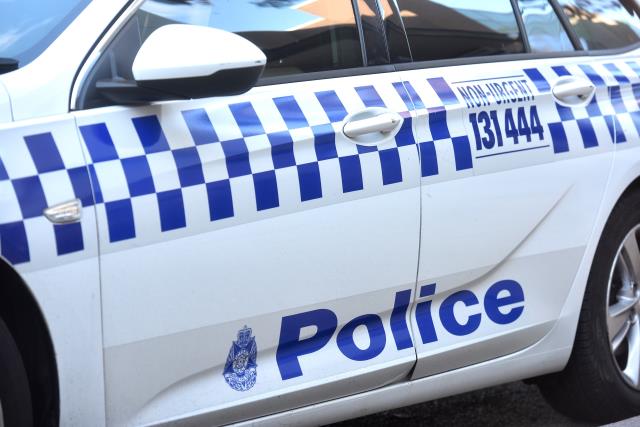
To complement these infrastructure changes, Victoria Police is expanding enforcement measures throughout 2026. This includes a 25,000-test increase in roadside drug testing and the continued deployment of AI-enabled cameras designed to detect mobile phone use and seatbelt non-compliance.
Road safety authorities maintain that while infrastructure and technology are critical, the reduction of road trauma relies on shared responsibility and adherence to speed limits, fatigue management, and sobriety.