The state government has awarded new medical research grants aimed at advancing women’s healthcare.
The $1.5 million Women’s Health Research Catalyst Grants program is helping to advance the understanding of how disease and other health issues affect women.
Health Minister Mary-Anne Thomas announced the 15 successful recipients who will share in grants ranging from $15,000 to $150,000, going towards funding Victoria’s best and brightest researchers to look at innovative ways of improving women’s health.
The successful grant recipients will be conducting research on areas including sexual and reproductive health, cardiovascular health, oncology, orthopaedics and chronic pain.
Among the recipients is Dr Margie McCormick from Western Health, who will be measuring women’s perception of feeling safe during labour and birth and evaluating clinical and emotional outcomes.
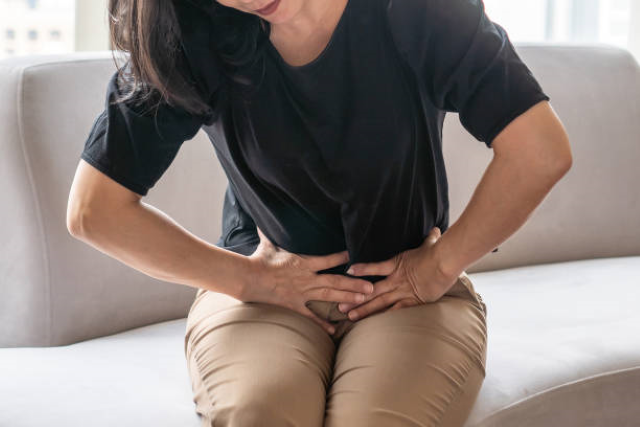
Professor Helena Frawley, Dr Karin Jones and Dr Marlena Klaic at the University of Melbourne will also be funded to investigate clinical outcomes for a new model of care for multidisciplinary pelvic pain designed for regional areas.
Dr Louise Segan at the Baker Institute will also receive funding to better understand sex differences in symptoms and outcomes for women experiencing atrial fibrillation is a common type of irregular heart rhythm that can result in blood clots, stroke, heart failure, and other heart-related complications.
All grant recipients are undertaking research in a health or medical field, including discovery, pre-clinical, clinical or lived experience – with their work further cementing Victoria’s reputation as a global leader in medical research.
“Women’s health issues have been overlooked for too long as a result of entrenched medical misogyny; we’re making sure they get the attention and investment they need,” Ms Thomas said.
“These grants will help Victorian women get the care they deserve by focusing on medical conditions that affect women differently or disproportionately, and those that have not been given the attention they need in the past.”