International Women’s Day (IWD) has a long and powerful history in Australia, reflecting more than a century of activism, reform and progress toward gender equality.
The origins of International Women’s Day lie in the global labour and women’s suffrage movements of the early 20th century. The first official International Women’s Day was held in 1911 following a proposal by German activist Clara Zetkin at an international socialist conference in 1910. In Australia, the day was first marked in 1928 in Sydney, organised by the Militant Women’s Movement. Early rallies demanded equal pay, an eight-hour day for shop girls, paid leave and an end to unemployment for women.
Australia was already considered progressive in some respects — white Australian women gained the right to vote and stand for federal parliament in 1902 (although Aboriginal and Torres Strait Islander women were excluded until 1962). However, despite these early gains, women continued to face entrenched inequality in pay, employment, education and political representation. International Women’s Day became a focal point for calling out these injustices.
Through the 1930s and 1940s, IWD gatherings in Australia focused on workers’ rights and peace movements, particularly during the world wars. In the 1960s and 1970s, the day took on renewed energy with the rise of second-wave feminism. Activists campaigned for equal pay, reproductive rights, access to childcare and protection from discrimination. In 1969, Australian women won equal pay for equal work in principle, followed by the landmark 1972 equal pay case that extended this to work of equal value.
The 1970s also marked a turning point internationally when the United Nations officially recognised International Women’s Day in 1975, during International Women’s Year. This global endorsement helped broaden the day beyond labour activism, embedding it in mainstream institutions, government and corporate Australia.
Today, International Women’s Day in Australia is observed annually on March 8 and has evolved into both a celebration and a call to action. Events range from grassroots rallies and community breakfasts to major corporate conferences and awards ceremonies. Organisations such as UN Women Australia play a significant role in promoting annual themes that highlight issues including gender-based violence, economic inequality and women’s leadership.
The importance of International Women’s Day in Australia remains clear. Despite decades of reform, gender inequality persists. The national gender pay gap, while narrowing, continues to favour men. Women remain underrepresented in senior leadership roles across business, politics and many industries. Rates of domestic and family violence remain a national crisis, disproportionately affecting women.
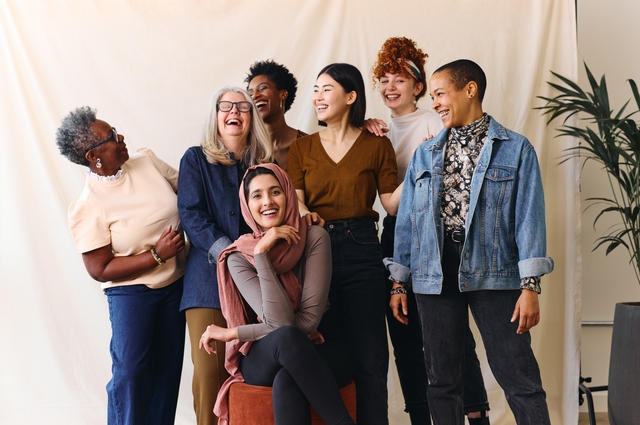
IWD provides an opportunity to reflect on progress made while acknowledging the work still to be done. It also creates space to recognise the achievements of Australian women across all fields — from politics and science to sport and the arts — and to elevate the voices of First Nations women, migrant women and women from diverse backgrounds whose contributions have historically been overlooked.
In recent years, International Women’s Day in Australia has increasingly emphasised intersectionality — recognising that gender inequality intersects with race, disability, sexuality and socioeconomic status. This broader understanding reflects a more inclusive and contemporary feminist movement.
More than a commemorative date, International Women’s Day in Australia is a reminder that rights were won through sustained activism and must be continually defended. It honours the legacy of those who marched before, while inspiring new generations to push for a more equal and just society.